Table of Contents
- Uncovering the Meaning Behind Furnace Noises
- Basics of Furnace Noises
- Common Furnace Sounds and What They Mean
- Identifying the Cause of Furnace Noises
- Why Professional Heating System Maintenance Matters
- Choosing the Right HVAC Contractor in New Haven County, Connecticut
- Furnace Noise: Frequently Asked Questions
- Conclusion
- Contact JJ Sullivan for Premier HVAC Services
Have you noticed a sudden loud bang at night or a sharp whistling sound from your furnace during the day? Strange furnace noises often signal that something is wrong. Overlooking these sounds can result in lower efficiency or a potential system breakdown.
At JJ Sullivan, a reliable HVAC provider proudly serving New Haven County, Connecticut, we focus on maintaining your comfort and safety by diagnosing and resolving the underlying causes of furnace problems.
This article explores the most common types of furnace noise and helps you recognize when professional service is needed. With this insight, you can act promptly to ensure your heating system continues running efficiently and safely.
Turn to JJ Sullivan for Professional Furnace Repair Services: Bring comfort and quiet back to your home with our reliable heating repairs. Call today for fast, expert service you can count on.
Uncovering the Meaning Behind Furnace Noises

Recognizing these sounds early allows you to spot potential problems before they escalate. Here’s what various furnace noises typically indicate and why paying attention to them is essential for protecting your system.
Rely on JJ Sullivan for Trusted Heating Repairs: Maintain a warm, peaceful home with our professional heating repair services. Contact us today for prompt and dependable solutions!
Basics of Furnace Noises
A furnace consists of key components that work together to heat your home efficiently. The burner produces heat by burning fuel, the heat exchanger securely moves that heat to the air, and the blower motor distributes the warmed air throughout your duct system.
When running correctly, your furnace may produce a soft humming sound from the blower or a quick whoosh as the burner lights. These normal noises show that your system is operating as it should.
Understanding how sound travels through your furnace helps explain why certain noises are more noticeable. Furnace sounds usually travel through vibrations created by moving air in the ductwork or by working parts like the blower motor and fan.
Common Furnace Sounds and What They Mean

If your furnace begins producing unusual noises, it’s often a sign of internal problems that require quick attention. Below is an overview of typical furnace sounds and the possible issues they reveal about your system’s condition.
Banging or Popping Sounds from the Furnace
These sudden noises typically indicate specific causes. In gas furnaces, a loud bang can occur when gas accumulates before ignition, creating an abrupt combustion that requires immediate professional attention for safety.
On the other hand, popping sounds often result from ductwork expanding and contracting as temperatures shift. While generally harmless, they can sometimes indicate that your ducts need improved insulation or tighter fittings.
Choose JJ Sullivan for Exceptional Heating Services: Keep your heating unit running at peak performance with our complete range of professional services. Call today for reliable and efficient heating solutions!
Screeching or Squealing Noises from the Heating System
High-pitched sounds like these typically point to issues with your furnace’s moving components. Common causes include worn blower motor bearings or a loose blower belt.
These noises often indicate that parts need lubrication or replacement to avoid additional wear and bring your furnace back to smooth, quiet operation.
Rattling or Clanking Sounds in Your HVAC System
A rattling noise often results from a simple issue, such as a loose screw or unstable ductwork, which can typically be resolved by tightening or securing the area. However, a clanking sound may signal a more serious problem, such as a damaged motor or blower assembly, requiring prompt professional service to avoid expensive repairs.
Humming Sounds from the Furnace
A humming noise usually comes from the fan motor or transformer and is generally minor. Still, it’s essential to have it checked, as it could signal electrical issues or motor strain that may worsen over time if left unresolved.
Choose JJ Sullivan for Expert HVAC Services: Maintain a comfortable, energy-efficient home with our dependable heating and cooling solutions. Contact us today for professional service you can trust!
Constant Clicking Sounds from the Furnace
Ongoing clicking noises often indicate electrical problems within the system. Common sources include a malfunctioning ignition system or worn-out relays.
These sounds usually mean that certain electrical parts are deteriorating and should be inspected promptly to keep your furnace running safely and efficiently.
Identifying the Cause of Furnace Noises

While some furnace sounds are normal, like a faint hum or gentle whoosh during startup, others deserve quick attention. Loud banging, constant clicking, or high-pitched squealing often point to underlying issues.
These noises may signal anything from delayed ignition, which can be hazardous, to worn components that could cause a full system failure if left unchecked.
Technicians at JJ Sullivan use advanced diagnostic equipment to pinpoint and repair furnace issues with accuracy and efficiency:
- Combustion Analyzers: Evaluate flue gases to determine combustion efficiency and identify any carbon monoxide concerns.
- Thermal Imaging Cameras: Detect overheating components or irregular heat distribution that may indicate electrical or insulation problems.
- Vibration Analysis Tools: Monitor the blower motor and fan for unusual vibrations that can suggest misalignment or worn bearings.
- Sound Level Meters: Measure noise intensity to distinguish between normal operating sounds and those that signal mechanical issues.
- Manometers: Assess internal pressure levels to confirm safe performance and locate possible leaks or airflow restrictions.
By using these advanced tools, JJ Sullivan’s technicians deliver precise, non-invasive diagnostics that reduce downtime and prevent unnecessary repairs.
Reach Out to JJ Sullivan for Professional Heating Repairs: Keep your home comfortable and worry-free by addressing furnace noises right away. Trust our certified team for fast and reliable heating repair services. Book your appointment today!
Why Professional Heating System Maintenance Matters
Regular preventive maintenance is crucial for avoiding disruptive or unsafe furnace noises. Through consistent service, technicians can detect and correct minor issues early, like clogged burners or loose wiring. This ensures your system runs quietly and efficiently, minimizing unexpected breakdowns and prolonging its lifespan.
A trained technician relies on advanced diagnostic tools to locate and fix complex noise issues, improving your system’s durability and performance. Timely attention to these problems promotes quieter operation, boosts energy efficiency, and keeps your furnace running reliably and economically.
By taking a proactive maintenance approach, you ensure consistent heating comfort while preventing expensive repairs.
Choosing the Right HVAC Contractor in New Haven County, Connecticut
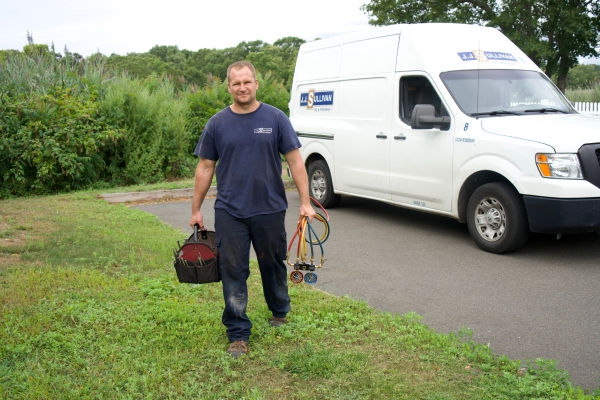
When hiring an HVAC professional, it’s important to consider factors such as certification, experience, and strong customer feedback. These reflect dependable service and proven expertise.
JJ Sullivan stands out for embodying these values, offering exceptional customer care and proactive maintenance without pushy sales approaches. Our commitment to quality makes sure that every client receives personalized service tailored to their system’s unique requirements, fostering long-term trust and satisfaction.
Trust JJ Sullivan for Superior Heating Services: Keep your heating system working at its best with our expert maintenance and repair solutions. Contact us today for reliable HVAC service you can count on!
Furnace Noise: Frequently Asked Questions
How Often Should I Have My Furnace Professionally Inspected?
It’s best to arrange a professional furnace inspection once a year, preferably before the start of the heating season. Regular inspections allow technicians to catch potential problems early, enhance system efficiency, and prolong the furnace’s lifespan. Older units or systems with ongoing issues may require more frequent maintenance visits.
Can a New Thermostat Help Reduce Furnace Noise?
Yes, installing a programmable or smart thermostat can help lessen furnace noises. A faulty thermostat may cause the system to cycle too often, which puts extra stress on components and increases sound levels. Upgrading to a newer model enhances temperature control, eases system strain, and helps keep your furnace operating more quietly.
How Does Insulation Help Reduce Furnace Noise?
Insulation plays a key role in lowering furnace noise by limiting ductwork expansion and contraction, which can cause banging or popping sounds. It also absorbs air movement noise within the ducts and lessens vibration from the furnace unit. With proper insulation, your system runs more quietly and efficiently.
Rely on JJ Sullivan for Complete HVAC Services: Enjoy year-round comfort with our full range of professional heating and cooling solutions. Contact us today for expert HVAC care you can trust!
Do Furnace Noises Differ Depending on the Type of Furnace?
Yes, the sounds your furnace makes can vary based on its type. Gas furnaces often produce popping or clicking noises during the ignition process, while electric furnaces may emit a steady hum due to electrical components. High-efficiency units can produce distinct sounds, such as those from the condensate pump. Since each system has unique noise characteristics, a professional evaluation is the best way to determine what’s normal and what needs attention.
Can Furnace Noises Impact My Heating System’s Efficiency?
Yes, unusual furnace sounds can point to problems that reduce system efficiency. Rattling, screeching, or banging noises often mean mechanical components are under strain, causing the furnace to work harder and use more energy. Promptly resolving these issues helps preserve efficiency, lower utility costs, and extend your system’s lifespan.
Conclusion
Taking prompt action when you hear strange furnace noises is essential for preserving efficiency and safety. Ignoring these sounds can lead to severe system damage, so early diagnosis and professional service are key.
If you detect any unusual noises coming from your furnace, reach out to the experienced team at JJ Sullivan. Our qualified technicians will ensure your heating system operates at peak performance, protecting your comfort and peace of mind all season long.
Count on JJ Sullivan for Complete Home Heating Solutions: Keep your home warm and comfortable all winter long with our dependable heating services. Reach out today to schedule expert HVAC care you can rely on!
Contact JJ Sullivan for Premier HVAC Services
At JJ Sullivan, we deliver exceptional heating and cooling services throughout New Haven County, Connecticut. Our team consists of certified HVAC professionals skilled in tune-ups, repairs, installations, replacements, and more.
Each technician combines advanced training with years of hands-on experience to ensure your system receives the highest standard of care and precision.
We take pride in offering competitive pricing for heating and cooling services across New Haven County. Our maintenance solutions are designed to maximize comfort and energy efficiency while helping you lower your household heating and cooling costs.
Whether you need a quick repair or a full system replacement, JJ Sullivan will recommend the ideal options tailored to your home and budget. Our strong satisfaction guarantee backs every project we handle.
Call JJ Sullivan today to schedule your appointment and request an in-home consultation. Call now!
You can click here to contact us now or call us at (203) 453-2781 to find out more! Click the link to view our service area.
Related Articles: