
A thermostat that cannot maintain your selected temperature can make your home less comfortable while causing your HVAC system to run longer than needed. Minor thermostat problems can reduce indoor comfort, hinder system performance, and increase energy consumption. Knowing these signs early can help prevent added wear on your heating and cooling equipment.
This article explores five of the most common thermostat problems that affect indoor comfort and HVAC performance, while explaining how professional service can restore reliable, accurate temperature control.
5 Common Thermostat Problems That Affect HVAC Performance
A malfunctioning thermostat can do more than create uneven temperatures. It may cause your HVAC system to operate inefficiently, cycle improperly, or struggle to maintain a comfortable indoor environment. Understanding the underlying cause of these thermostat problems is an important step toward restoring consistent comfort and dependable system performance.
Problem #1: Poor Thermostat Placement Leading to Inaccurate Temperature Readings

Where your thermostat is installed plays a major role in how effectively your HVAC system maintains a consistent indoor temperature. When positioned near windows, direct sunlight, air vents, exterior doors, or other heat sources, it may register inaccurate temperatures.
False readings can cause your heating and cooling system to cycle at the wrong times, lowering energy efficiency and making it more difficult to maintain a comfortable home. Proper thermostat placement is essential for accurate temperature monitoring and dependable HVAC performance.
If certain rooms remain consistently too warm or too cool despite changing the settings, thermostat placement may be the underlying issue. An HVAC professional can assess the installation, recommend the ideal location, and relocate the thermostat to a central interior wall away from drafts and heat sources. Correct placement improves temperature accuracy and helps your HVAC system operate more efficiently.
Problem #2: Thermostat Calibration Drift Causing Temperature Inaccuracy
As thermostats age, their sensors can become less accurate because of normal wear, electrical interference, or aging internal components. This issue, known as calibration drift, causes the thermostat to misread the actual room temperature. As a result, your HVAC system may cycle too often, run longer than necessary, or struggle to maintain consistent comfort, reducing temperature accuracy and increasing energy consumption.
A common warning sign is setting the thermostat to 72°F while the room consistently feels 4 to 5 degrees warmer or cooler. An HVAC technician can test the thermostat’s accuracy, recalibrate it when possible, or recommend replacing it with a modern digital model if needed. Routine inspections help maintain accurate thermostat calibration and support reliable, long-term indoor comfort.
Problem #3: Dead Batteries or Power Problems
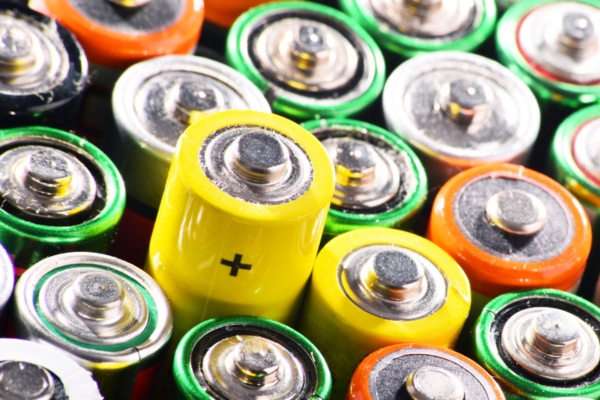
A thermostat depends on a reliable power source to communicate with your HVAC system. In battery-powered models, weak or dead batteries can prevent the thermostat from sending signals, causing your heating or cooling system to stop responding. Hardwired thermostats may experience similar issues because of a blown fuse, transformer failure, or another electrical problem that interrupts system communication.
If the thermostat display is blank or your HVAC system doesn’t respond to temperature adjustments, a power issue is often the cause. Replacing thermostat batteries regularly can help prevent unexpected interruptions in battery-powered units.
For hardwired thermostats, a professional inspection can identify electrical faults, verify that all components are operating correctly, and resolve hidden power issues that may be affecting your home’s comfort and HVAC performance.
Problem #4: Faulty Thermostat Wiring and Loose Electrical Connections
Damaged or loose thermostat wiring can interfere with communication between your thermostat and HVAC system. Corroded wires, loose terminal screws, or incorrectly connected wiring may prevent signals from reaching your heating and cooling equipment, leading to inconsistent operation, short cycling, or complete system failure.
Common warning signs include an HVAC system that does not respond to thermostat adjustments, turns on and off unexpectedly, or fails to operate altogether. These issues typically require professional thermostat wiring repair.
A qualified HVAC technician can inspect the wiring, identify damaged or loose connections, correct wiring errors, and verify that the thermostat and HVAC control system are properly connected. Restoring secure electrical connections helps ensure reliable performance and consistent temperature control.
Problem #5: Smart Thermostat Connectivity and Software Issues
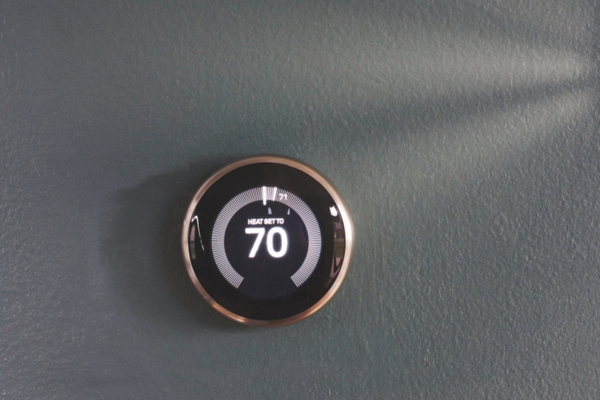
Smart thermostats provide greater convenience and control, but connectivity problems and software errors can interfere with their performance. Lost Wi-Fi connections, outdated firmware, or account synchronization issues may disrupt remote access, scheduled programming, and temperature adjustments. These smart thermostat problems can make it difficult to maintain consistent indoor comfort and efficient HVAC operation.
If your thermostat stops responding through the mobile app or frequently disconnects from your network, professional troubleshooting may be needed. An HVAC technician can restore Wi-Fi connectivity, install firmware updates, resolve software issues, and verify proper integration with your smart home and HVAC system. These services help restore reliable thermostat performance and accurate temperature control.
When to Contact J.J. Sullivan for Professional Thermostat and HVAC Services in New Haven County, Connecticut
Thermostat issues can do more than reduce indoor comfort. They can also affect your HVAC system’s efficiency, performance, and overall reliability. J.J. Sullivan provides professional thermostat diagnostics, repairs, calibrations, and replacements to restore accurate temperature control and dependable system operation.
- Thorough System Diagnostics: Our technicians perform comprehensive inspections, including temperature accuracy testing, electrical diagnostics, voltage measurements, and system evaluations to find the root cause of thermostat problems.
- Expert Thermostat Upgrades: Whether you need a standard digital thermostat, a programmable model, or a smart thermostat, we help you select and install the best option for your home’s comfort, energy efficiency, and HVAC compatibility.
- Professional Repairs and Calibration: We complete thermostat repairs, wiring corrections, and calibration services with careful attention to detail, helping ensure accurate temperature readings, reliable HVAC performance, and consistent comfort throughout the year.
Thermostat Problems: FAQs

Can a Thermostat Cause Heating or Cooling to Start Earlier?
Yes. Many thermostats use adaptive recovery to begin heating or cooling before the scheduled time so your home reaches the desired temperature on schedule. Proper programming helps maximize comfort and energy efficiency.
How Can Thermostat Firmware Affect HVAC Performance?
Outdated firmware can cause scheduling errors, connectivity problems, or delayed system responses that disrupt heating and cooling. Keeping the software updated helps ensure reliable communication and efficient HVAC performance.
Do Wireless Remote Sensors Work with Existing Thermostats?
Wireless remote sensors improve comfort by averaging temperatures from multiple rooms to reduce hot and cold spots. Since compatibility varies by model, professional installation helps ensure reliable operation and accurate scheduling.
Can an Older Thermostat Increase Energy Bills?
Yes. Older thermostats often lack accurate temperature control and advanced scheduling, causing HVAC systems to run longer than necessary. Replacing them with a modern digital or smart thermostat can reduce runtime by up to 15% and lower energy costs.
How Does Seasonal HVAC Maintenance Support Thermostat Performance?
Routine maintenance, including filter replacement, coil cleaning, and airflow testing, helps your HVAC system respond accurately to thermostat settings. Regular service keeps the thermostat and HVAC equipment working efficiently for better comfort and energy savings.
Conclusion
A properly functioning thermostat is essential for maintaining indoor comfort and HVAC efficiency. Issues such as poor placement, calibration drift, power loss, wiring problems, and smart thermostat connectivity failures can all affect temperature control. Addressing these problems early helps your system operate efficiently while avoiding unnecessary energy use and comfort issues.
If you’re experiencing thermostat problems, contact J.J. Sullivan in New Haven County, Connecticut for professional thermostat diagnostics, repairs, and upgrades that restore reliable comfort.
Call J.J. Sullivan for Trusted HVAC Services in New Haven County, Connecticut
J.J. Sullivan delivers dependable heating and cooling services throughout New Haven County, Connecticut. Our certified HVAC technicians provide expert tune-ups, repairs, installations, replacements, and other comfort solutions. With extensive training and years of hands-on experience, our team services every HVAC system with accuracy, professionalism, and attention to detail.
We are focused on providing high-quality HVAC services at competitive prices. Our maintenance solutions help improve indoor comfort, increase energy efficiency, and reduce heating and cooling costs over time. Whether you need a repair, system replacement, or routine service, we recommend practical solutions tailored to your home, budget, and comfort goals. Our dedication to outstanding workmanship and customer satisfaction backs every job.
Contact J.J. Sullivan today to schedule your HVAC service or request an in-home consultation.
You can click here to contact us now or call us at (203) 453-2781 to find out more! Click the link to view our service area.

Related Articles: