
Water accumulating inside an oil tank can create serious complications, resulting in expensive repairs and lower system efficiency. At J.J. Sullivan, your heating oil provider in New Haven County, Connecticut, we educate homeowners about how water enters oil tanks and deliver solutions to safeguard their heating equipment.
This article examines the typical sources of water in oil tank, from internal tank condensation to exterior leaks. It outlines practical measures you can implement to maintain fuel integrity and avoid expensive repairs. By applying appropriate preventative strategies, you can keep your system clean and operating efficiently year-round.
Secure Dependable Heating Oil Service: Keep your tank filled and minimize moisture risks. Call J.J. Sullivan today!
What Causes Water To Collect In An Oil Tank?

Water can enter your heating oil tank through several pathways, and recognizing these sources is essential for avoiding system damage. Below, we outline how moisture finds its way inside your tank and the most effective ways to resolve these concerns.
Protect Your Heating Equipment with Professional Oil Tank Solutions: From thorough inspections to expert installations, J.J. Sullivan delivers dependable service. Contact us today!
Condensation Within an Outdoor Heating Oil Tank
Condensation forms inside an outdoor heating oil tank when warmer surrounding air meets the tank’s colder metal surface. This situation commonly arises when there is a substantial temperature difference between the ambient air and the tank exterior.
Excess humidity in the oil’s headspace also creates a concentrated pocket of moist air, encouraging repeated condensation cycles that steadily increase internal water accumulation.
Insufficient airflow surrounding the tank can worsen this condition by holding moisture-saturated air against the tank walls, limiting evaporation, and allowing condensation to persist. Over time, this internal water accumulation can contaminate the heating oil and reduce overall system efficiency.
Compromised Fuel Tank: Defective or Absent Filler and Vent Caps
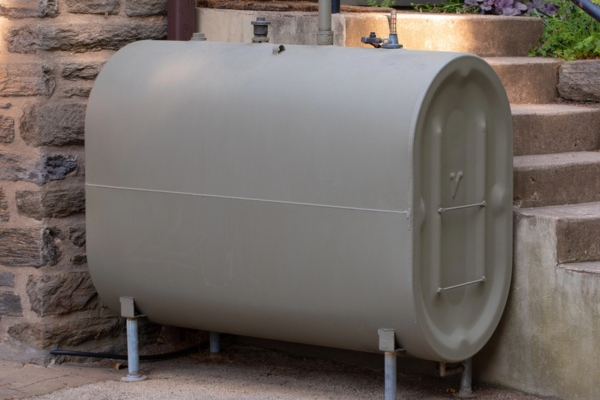
When the filler cap seal or vent caps are damaged, a compromised fuel oil storage tank can permit moisture intrusion. Deteriorated gaskets at the filler opening allow rainwater and melting snow to enter, enabling outside moisture to seep into the tank.
Vent caps that are loose, improperly fitted, or missing from the breathing vents and fill ports further raise the likelihood of moisture entry. These openings in the tank’s sealing system allow humid air and water to infiltrate, resulting in contamination.
When zinc flappers become clogged or corroded, they lose their ability to prevent moisture entry, further weakening the tank’s structure and contributing to long-term deterioration. Routine inspection of these oil tank breathers and sealing components is critical to reducing moisture-related problems.
Install a Reliable New Oil Storage Tank: Replace your outdated system with a durable, high-quality model. Call J.J. Sullivan today!
Structural Fractures and Weld Joint Failures in Heating Oil Tanks
Corrosion-driven deterioration is a frequent source of structural damage in heating oil tanks. Rust forming beneath paint coatings or insulation layers can create pinholes and splits, permitting moisture to infiltrate the tank and contaminate the fuel supply. Weld joint failures present an additional risk, since stress concentrations along factory seams and previous repair welds can develop cracks over time, increasing the likelihood of leakage.
Mechanical stress, including accidental strikes or foundation movement, may also produce fractures along the tank walls. These forms of structural deterioration, such as corrosion cracks and leaking weld seams, weaken overall tank stability and may lead to expensive repairs and fuel contamination.
Outside Water Intrusion into an Outdoor Fuel Oil Tank

Water from external sources can enter a fuel oil tank through multiple pathways, resulting in contamination concerns. Basement flooding or intense rainfall may accumulate around the tank, permitting floodwater to infiltrate the oil through compromised seals or small openings.
In underground tanks, elevated water tables can force groundwater through inadequately sealed tank walls, creating substantial contamination risks. Poor site drainage, often caused by improper grading or insufficient gutter systems, can worsen conditions by allowing water to collect near the tank. Standing water heightens the potential for leaks and moisture entry. Maintaining effective drainage around the oil tank remains critical to protecting fuel quality and preventing intrusion.
Avoid Interruptions with Automatic Oil Delivery: Keep your tank filled and protected from moisture year-round. Contact J.J. Sullivan today!
Climate and Property Conditions
Environmental and property-specific conditions play a substantial role in water intrusion within oil tanks. Regions with consistently high humidity, including coastal and tropical areas, subject oil tanks to elevated moisture exposure, increasing the likelihood of condensation formation. When tanks are installed near moisture-producing spaces such as laundry rooms or bathrooms, higher indoor humidity levels can further accelerate internal moisture accumulation.
Seasonal temperature fluctuations intensify the risk of condensation, as rapid shifts between warm and cold conditions cause airborne moisture to collect on tank surfaces. Recognizing these climate-related moisture influences and indoor humidity contributors enables homeowners to implement preventive measures that limit internal water buildup and protect overall fuel quality.
Effects of Water Contamination in a Residential Oil Tank
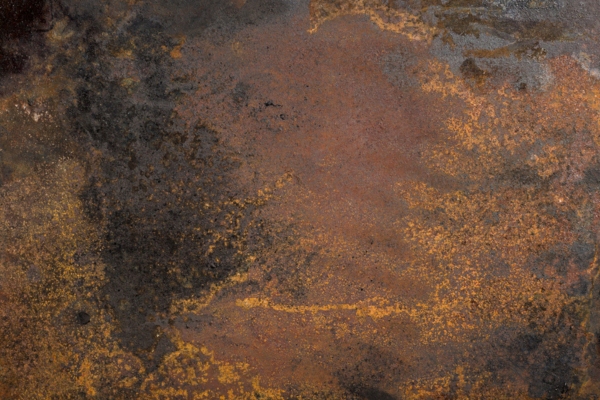
Water present inside an oil tank can create serious problems for the tank structure and the heating system it supports. Below are the primary outcomes:
- Microbial Growth and Sludge Formation: Water settling at the bottom of the tank creates conditions that encourage microbial activity, often referred to as the diesel bug. These organisms multiply within the water layer, causing microbial fuel growth and generating sludge that can block filters and restrict fuel delivery.
- Heating Oil Tank Rust and Surface Pitting: Retained moisture speeds up internal oxidation, resulting in corrosion and pitting along the tank walls. This deterioration reduces structural strength, increases the risk of leaks, and affects long-term dependability. It directly contributes to heating system corrosion.
- Oil-Fired Equipment Performance Problems: Water contamination may lead to blocked filters, burner ignition failures, and diminished heating efficiency. Such complications lower system output, increase service frequency, and raise overall maintenance expenses. These represent common oil tank contamination effects that can significantly disrupt residential heating.
Complete Oil Tank Replacement Solutions: Rely on J.J. Sullivan for professional installation and lasting confidence. Call us today!
Preventive Strategies and Expert Maintenance

Implementing proactive maintenance measures for your oil tank reduces the risk of water contamination and supports the long-term durability of your heating system. The following tank care practices help prevent serious complications and sustain dependable performance:
- Maintain Adequate Heating Oil Levels: Keep the tank filled to at least 80% capacity to limit headspace moisture and reduce condensation potential. Reducing excess air inside the tank minimizes trapped humidity.
- Install High-Quality Breather and Filtration Components: Adding desiccant breathers and water-separating filters along fill pipes and fuel lines removes moisture before it reaches the tank. These components help block oil tank water intrusion and preserve fuel cleanliness.
- Schedule Routine Oil Tank Evaluations: Consistent professional oil tank maintenance remains critical. Planned inspections of seals, vent assemblies, and structural condition allow early detection of weaknesses before contamination or deterioration develops.
Preserve Fuel Integrity Throughout the Year: Pair dependable heating oil delivery with professional tank inspections. Contact J.J. Sullivan today!
Water in Oil Tank: Frequently Asked Questions

What Are the Signs of Undetected Water in an Underground Oil Tank?
Qualified technicians rely on specialized equipment, such as water indicating paste applied to dipsticks and electronic moisture sensors, to identify water layers without excavating the tank. These diagnostic techniques accurately locate water settled at the tank bottom, allowing corrective action before contamination affects burner operation.
Can Water Inside My Oil Tank Harm Heating System Components?
Yes. Even minor water presence can encourage microbial activity known as the diesel bug, producing sludge that obstructs filters and fuel delivery components. Moisture exposure may also corrode pump seals and burner nozzles, leading to ignition problems, incomplete combustion, and potentially costly repairs or premature equipment failure if ignored.
What Symptoms Indicate Water-Related Fuel Contamination in My Tank?
Watch for the following warning signs:
- Clouded or Separated Fuel Samples: Collecting a sample in a transparent syringe may show distinct water or sediment layers settling beneath the fuel.
- Repeated Filter Restrictions: Filters that clog quickly even after replacement often indicate waterborne debris or microbial sludge buildup.
- Dark or Yellow Tinted Flame: Combustion characteristics shift in the presence of water, resulting in inefficient burning and visible exhaust smoke.
- Irregular Burner Operation: Short cycling, uneven run times, or difficult startups may indicate that moisture is disrupting consistent fuel flow.
Prevent Expensive Failures: Replace deteriorated tanks before they break down. Schedule your oil tank replacement with J.J. Sullivan today!
What Maintenance Practices Strengthen My Tank’s Moisture Protection?
Keeping your tank filled between 80 and 90% reduces headspace where humid air can collect and condense, lowering internal moisture formation. Improving airflow with dehumidifiers or exhaust fans, along with adding insulation or a tank jacket, helps stabilize temperature changes that contribute to condensation. Installing desiccant breathers and water blocking filters further protects the system by capturing moisture before it reaches the tank or fuel line. Finally, using manufacturer-approved anti-condensation and biocide additives binds free water and limits microbial growth, reinforcing overall moisture control.
Do Modern Oil Tank Designs Offer Greater Protection Against Water Intrusion Than Older Units?
Yes. Contemporary oil tanks commonly incorporate seamless factory-welded construction, corrosion-resistant internal linings, and upgraded vent cap assemblies with built-in moisture barriers. These design improvements limit seepage and condensation when compared to older steel or uncoated tanks, substantially reducing the likelihood of water entry.
Conclusion
Water may enter your oil tank through condensation, damaged caps, structural weaknesses, or unfavorable site conditions. Left unaddressed, these problems contribute to fuel contamination and reduced system efficiency, making prevention essential for dependable heating performance. Consistent maintenance and professional inspections help avoid expensive damage and keep your tank operating properly.
If you suspect moisture in your oil tank, contact J.J. Sullivan in New Haven County, Connecticut for a thorough inspection, expert heating oil service, and dependable corrective solutions. Rely on our experienced team to safeguard your heating equipment and maintain steady performance.
Choose J.J. Sullivan, Your Local Heating Oil Professionals: Schedule your next oil delivery for consistent, worry-free comfort. Call today!
Contact J.J. Sullivan for Reliable Heating Oil Delivery
J.J. Sullivan is committed to keeping homes and businesses across New Haven County, Connecticut, warm with dependable heating oil delivery. We supply premium fuel promptly and efficiently, backed by competitive pricing and clear, straightforward service focused on your comfort.
We offer flexible delivery plans and financing options so you can tailor fuel service to your household’s needs. Every customer receives attentive, personalized support to ensure steady warmth throughout the winter season.
Beyond heating oil delivery, J.J. Sullivan provides comprehensive HVAC services, serving as a complete resource for home comfort. From system installation and preventive maintenance to urgent repairs, our team manages every aspect of HVAC care.
When you choose J.J. Sullivan, you partner with a provider known for reliability and consistent customer satisfaction. Contact us today to schedule service or learn more.
You can click here to contact us now or call us at (203) 453-2781 to find out more! Click the link to view our service area.

Related Articles: